

Natural, FREE Home Remedies for Tooth Pain Solutions

Tooth pain can strike at the most inconvenient times—late at night, on weekends, or when you’re far from a dental office. While a toothache is often a sign that professional dental care is needed, there are several natural, free home remedies that may help ease discomfort temporarily. At Metro City Dentistry, we believe it’s important for patients to know how to manage tooth pain safely at home while planning proper dental treatment.

It’s important to note that home remedies are not a cure for dental problems, but they can provide short-term relief until you see a dentist.

Common Causes of Tooth Pain

Before trying any remedy, it helps to understand what may be causing your discomfort. Tooth pain can result from:

  • Tooth decay or cavities
  • Gum inflammation or infection
  • A cracked or chipped tooth
  • Food stuck between teeth
  • Teeth grinding
  • Sinus pressure affecting upper teeth

Identifying the possible cause can help you choose the most appropriate relief method.

Natural and FREE Home Remedies for Tooth Pain

  1. Warm Saltwater Rinse

One of the simplest and most effective remedies is a saltwater rinse. Salt helps reduce inflammation, cleanse the mouth, and limit bacteria.

How to use it:
Mix half a teaspoon of salt into a cup of warm water. Swish gently for 30 seconds, then spit out. Repeat several times a day.

  1. Cold Compress

If your tooth pain is accompanied by swelling or throbbing, a cold compress can help numb the area and reduce inflammation.

How to use it:
Apply a cold pack or a bag of ice wrapped in a towel to the outside of your cheek for 15–20 minutes at a time.

  1. Proper Oral Hygiene

Sometimes tooth pain is caused by trapped food particles or plaque buildup. Gently brushing and flossing can provide relief by removing debris that’s irritating the tooth or gums.

Be careful not to brush aggressively, especially if your gums are tender.

  1. Hydrogen Peroxide Rinse (Diluted)

A diluted hydrogen peroxide rinse may help reduce bacteria and soothe gum discomfort.

How to use it:
Mix equal parts 3% hydrogen peroxide and water. Swish gently, then spit out and rinse thoroughly with plain water. Do not swallow.

This method is not recommended for children and should only be used occasionally.

  1. Elevating Your Head

Tooth pain often feels worse when lying down due to increased blood flow to the head. Keeping your head elevated can reduce pressure and throbbing pain.

Use extra pillows when resting or sleeping to keep your head raised.

  1. Clove or Clove Oil (If Available at Home)

Cloves contain a natural compound called eugenol, which has numbing properties. If you already have cloves or clove oil at home, they can be helpful.

How to use it:
Gently place a clove near the painful tooth or apply a small amount of clove oil to a cotton swab and dab the area. Avoid direct contact with gums for long periods.

What to Avoid When You Have Tooth Pain

Some home “remedies” can actually make things worse. Avoid:

  • Placing aspirin directly on the tooth or gums
  • Using sharp objects to poke at the tooth
  • Applying heat to the face if swelling is present
  • Ignoring pain that lasts more than a day or two

These actions can increase irritation or cause further damage.

When Tooth Pain Is a Dental Emergency

While natural remedies can help temporarily, certain symptoms require immediate dental care. Contact Metro City Dentistry right away if you experience:

  • Severe or worsening pain
  • Facial swelling
  • Fever
  • A broken or knocked-out tooth
  • Pain lasting more than 48 hours

Persistent tooth pain often signals an infection or structural problem that won’t resolve on its own.

Professional Care Is the Best Long-Term Solution

Home remedies can offer short-term comfort, but they don’t treat the underlying cause of tooth pain. Cavities, infections, gum disease, and cracked teeth require professional diagnosis and treatment to prevent complications.

At Metro City Dentistry, our experienced dental team is dedicated to finding the cause of your tooth pain and providing effective, lasting solutions—whether that means a filling, root canal treatment, gum care, or other restorative options.

Relief Starts with the Right Care

If you’re dealing with tooth pain, natural home remedies can help you get through the moment—but don’t stop there. Schedule an appointment with Metro City Dentistry to protect your oral health and get the relief you truly need. A healthy, pain-free smile starts with expert dental care.


Emergency Dentists in Brampton: When to Seek Immediate Dental Care

Tooth pain at 2 AM? Sudden swelling in your jaw? Or maybe a chipped tooth right before a big event? Dental emergencies can strike when you least expect them—whether it’s during dinner, at work, or even in the middle of the night.

If you’re dealing with unexpected dental pain or injury, knowing when to call an emergency dentist in Brampton can make all the difference in protecting your smile.

What is a Dental Emergency?

While not every toothache needs immediate attention, some symptoms just shouldn’t wait. You may need to visit an emergency dental clinic in Brampton if you’re dealing with:

  • Persistent, severe tooth pain
  • A knocked-out or cracked tooth
  • Facial swelling or bleeding gums
  • Signs of infection (fever, swelling, pus)
  • Lost fillings or crowns causing discomfort

When in doubt, it’s better to be safe and get it checked out by a professional—especially one with experience handling urgent dental care.

emergency dentist

Common Treatments for Dental Emergencies

Here’s a quick rundown of the most frequent problems and how they’re usually treated:

  • Toothache

Persistent pain is never normal. Depending on the cause (decay, infection, trauma), your dentist might recommend one of the many Treatments for a Toothache, such as:

  • Deep cleaning
  • Filling or crown
  • Root canal therapy

Delaying treatment can lead to more serious issues—so don’t tough it out.

  • Broken or Chipped Teeth

Small chips might just need a bit of smoothing or bonding. But if the tooth is cracked or damaged down to the nerve, you’ll likely need more extensive repair—possibly even dental implants surgery if it can’t be saved.

  • Swollen Jaw or Abscess

This could be an infection spreading below the surface. An abscess is a serious issue that needs prompt treatment to prevent complications.

Emergency Dental Care for Anxious Patients

We totally get it—emergency dental visits can be scary, especially if you already have dental anxiety. Whether it’s fear of needles, the sound of dental tools, or a bad past experience, it’s nothing to be ashamed of.

That’s why it’s so important to find a dentist for anxiety who truly understands and supports you. At Metro City Dentistry, their team offers compassionate care and sedation options to help you stay calm and comfortable—even in an emergency.

What Happens After the Emergency?

Getting through the emergency is just the first step. Depending on the damage or issue, your dentist might recommend follow-up care to restore your smile and prevent future problems.

  • Cosmetic Dentistry in Brampton

Once the pain is gone, you may want to repair or enhance your smile. Options like veneers, crowns, or bonding are all part of cosmetic dentistry in Brampton—ideal if a front tooth is damaged or discolored during your emergency.

  • Dental Implants Surgery

If you lost a tooth and it can’t be saved, dental implants surgery offers a long-term replacement that looks and functions like the real thing. It’s a permanent fix that helps maintain your jawbone and facial structure too.

  • Family Care Dentistry

Emergencies are often a sign that something was missed—like skipping regular checkups. That’s where family care dentistry comes in. It’s all about prevention, early diagnosis, and long-term oral health for every age group.

Worried About Costs?

If you’re looking for an affordable dentist in Brampton, you need a clinic that’s upfront, transparent, and flexible.

Metro City Dentistry prides itself on offering high-quality care at reasonable prices. Whether you need help with insurance, payment plans, or just understanding your options, their friendly staff is ready to walk you through it.

Metro City Dentistry: Trusted Emergency Dental Care

Metro City Dentistry isn’t just any clinic—they’re a trusted name when it comes to dental emergencies in Brampton. Whether you’re dealing with sudden pain, swelling, or an injury, they’re equipped to provide fast, friendly, and effective care.

Their team understands that every smile (and every patient) is unique, which is why they offer tailored solutions in a stress-free environment.

Don’t Wait—Your Smile Deserves Immediate Care

Dental emergencies aren’t just painful—they can quickly turn into something more serious if left untreated. Whether it’s a sharp ache, swelling, or an unexpected accident, quick action can make all the difference.

For anyone in Brampton, Metro City Dentistry is a trusted name when it comes to emergencies, family care, cosmetic fixes, and more. They truly care about your comfort, your health, and your smile.

If you’re searching for an emergency dentist in Brampton who understands your pain and is ready to help. Their expert team handles everything from urgent care to long-term solutions like dental implants surgery and cosmetic dentistry in Brampton, all while offering affordable dentistry that suits your budget.

Don’t wait for the pain to get worse. Call Metro City Dentistry now or book your emergency visit online!

Get relief fast, restore your smile, and get back to feeling like yourself again.

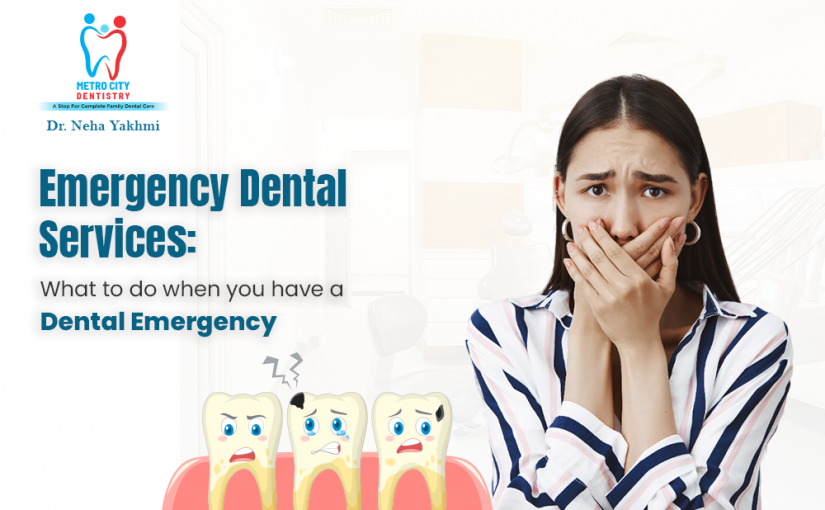
Emergency Dental Services: What to Do When You Have a Dental Emergency

Dental emergencies can occur at any time, causing significant pain and distress. Knowing how to respond promptly and effectively can make a crucial difference in preserving your oral health. This guide outlines the essential steps to take during a dental emergency and the types of services you can expect from emergency dental care providers. To know more visit Metro City Dentistry.

Recognizing a Dental Emergency

Dental emergencies encompass various situations, including severe pain, infection, trauma, and bleeding. Common dental emergencies include:

  1. Toothache: Persistent and severe tooth pain may indicate an infection or decay that requires immediate attention.
  2. Chipped or Broken Tooth: Accidents or biting hard objects can chip or break teeth, causing pain and potentially leading to further damage.
  3. Knocked-Out Tooth: Quick action is crucial for potentially saving a knocked-out tooth.
  4. Lost Filling or Crown: Losing a filling or crown can expose the tooth to infection and damage.
  5. Abscess: A painful, swollen area in the mouth may indicate an abscess, a serious infection that can spread if untreated.
  6. Soft Tissue Injury: Cuts or injuries to the lips, gums, or cheeks need prompt care to control bleeding and prevent infection.

Immediate Steps to Take

  1. Assess the Situation: Determine the severity of the problem. Minor issues might wait for a regular dental appointment, but severe pain, bleeding, or trauma needs immediate care.
  2. Control Bleeding: For bleeding, apply gentle pressure with a clean cloth or gauze. If bleeding persists, seek emergency care.
  3. Manage Pain: Over-the-counter pain relievers like ibuprofen can help manage pain, but avoid placing aspirin directly on the gums or teeth.
  4. Rinse the Mouth: Rinsing with warm salt water can help clean the affected area and reduce bacteria.
  5. Cold Compress: Apply a cold compress to the outside of the cheek to reduce swelling for injuries like a chipped or broken tooth.

Specific Emergency Actions

  1. Knocked-Out Tooth: Retrieve the tooth by the crown (avoid touching the root). Rinse it gently if dirty but do not scrub or remove attached tissue. Attempt to reinsert it into the socket if possible. If not, place it in a container of milk or saliva and seek dental care immediately. Time is critical in saving the tooth.
  2. Broken Tooth: Rinse the mouth with warm water and save any broken pieces. Apply a cold compress to reduce swelling and seek dental attention promptly.
  3. Lost Filling or Crown: Cover the exposed tooth with dental cement or sugarless gum to protect it temporarily. Schedule a dental appointment to repair or replace the restoration.
  4. Abscess: Rinse the mouth with salt water and seek emergency dental care immediately. An abscess is a serious condition that can lead to further health complications if untreated.

When to Seek Emergency Dental Care

Seek emergency dental services if you experience any of the following:

  • Uncontrolled bleeding
  • Severe pain that does not respond to over-the-counter painkillers
  • Signs of infection, such as swelling, fever, or a bad taste in the mouth
  • Trauma to the teeth, mouth, or jaw

What to Expect from Emergency Dental Services

Emergency dental care focuses on relieving pain, addressing immediate concerns, and preventing further complications. Here’s what typically happens during an emergency dental visit:

  1. Assessment and Diagnosis: The dentist will assess your condition through a physical examination and possibly X-rays to determine the cause and extent of the issue.
  2. Pain Relief: Immediate pain relief is a priority, which may involve local anesthesia or medication.
  3. Treatment Plan: Depending on the problem, the dentist will provide necessary treatments, such as fillings, root canals, tooth extractions, or repairs.
  4. Follow-Up Care: After addressing the emergency, the dentist may schedule follow-up appointments to monitor recovery and complete any necessary restorative work.

Preventing Dental Emergencies

While not all dental emergencies can be prevented, you can reduce the risk by:

  • Maintaining good oral hygiene practices, including regular brushing and flossing
  • Visiting your dentist regularly for check-ups and cleanings
  • Wearing a mouthguard during sports or recreational activities
  • Avoiding hard foods that can crack or break teeth
Conclusion

Dental emergencies are often unexpected and can be distressing. Understanding how to respond promptly and seeking professional emergency dental services can alleviate pain, prevent complications, and save your teeth. Regular dental care and preventive measures can significantly reduce the likelihood of experiencing a dental emergency. If you find yourself in a dental crisis, knowing what to do and where to go can make all the difference in preserving your oral health. To know more contact us today.