

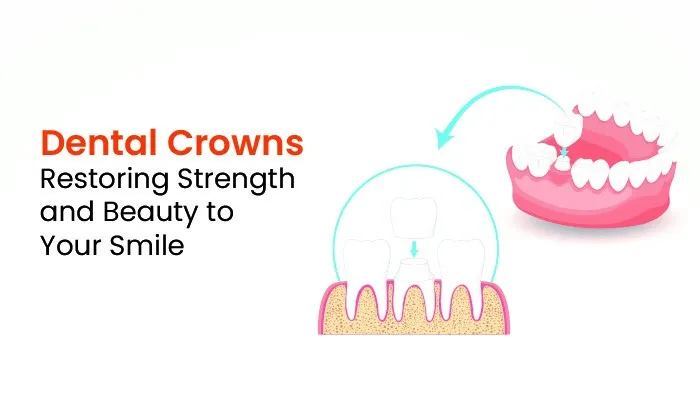
Dental Crowns: Restoring Strength and Beauty to Your Smile

A healthy smile plays a significant role in both your appearance and your overall well-being. However, teeth can become damaged over time due to decay, injury, large fillings, or general wear and tear. When a tooth becomes weak or severely damaged, a dental crown is often one of the most effective solutions to restore its strength, function, and appearance.

At Metro City Dentistry, dental crowns are a common and reliable treatment used to protect and restore teeth while helping patients regain confidence in their smiles.

What Is a Dental Crown?

A dental crown is a tooth-shaped cap placed over a damaged or weakened tooth. Its primary purpose is to restore the tooth’s shape, size, strength, and appearance. Once the crown is placed, it fully covers the visible portion of the tooth above the gum line.

Crowns are custom-made to match the color, size, and shape of your natural teeth, ensuring that they blend seamlessly with your smile. Modern dental technology allows crowns to look extremely natural while providing excellent durability.

When Is a Dental Crown Needed?

Dentists may recommend a dental crown for several reasons. One of the most common reasons is to protect a weakened tooth, especially if it has been affected by large cavities or cracks.

Crowns are also commonly used to:

  • Restore a broken or severely worn tooth
  • Protect a tooth after a root canal treatment
  • Cover a large filling when there is not enough natural tooth remaining
  • Improve the appearance of discolored or misshapen teeth
  • Support a dental bridge
  • Cover a dental implant

By covering and strengthening the damaged tooth, a crown helps restore normal chewing function and prevents further damage.

Types of Dental Crowns

Dental crowns can be made from several different materials, each with its own benefits. At Metro City Dentistry, the most commonly used types include:

Porcelain or Ceramic Crowns:
These crowns are highly popular because they closely resemble natural teeth. They are an excellent choice for front teeth where aesthetics are especially important.

Porcelain-Fused-to-Metal Crowns:
These crowns combine the strength of metal with the natural appearance of porcelain. They offer both durability and a pleasing look.

Metal Crowns:
Made from alloys such as gold or other metals, these crowns are extremely strong and long-lasting. They are often used for molars that endure heavy chewing pressure.

Zirconia Crowns:
Zirconia crowns are known for their exceptional strength and natural appearance, making them a popular modern option.

Your dentist will recommend the best type of crown based on your specific dental needs and the location of the tooth.

The Dental Crown Procedure

Getting a dental crown typically requires two dental visits.

During the first visit, the dentist examines and prepares the tooth. Any decay or damage is removed, and the tooth is reshaped so the crown can fit properly. An impression of the tooth is then taken and sent to a dental laboratory where the custom crown is created.

While waiting for the permanent crown, a temporary crown is placed to protect the tooth.

During the second visit, the temporary crown is removed and the permanent crown is carefully placed and adjusted to ensure a comfortable fit. Once everything is perfect, the crown is securely bonded to the tooth.

The result is a restored tooth that looks natural and functions just like a normal tooth.

Benefits of Dental Crowns

Dental crowns provide many important benefits for patients, including:

Restored Strength:
Crowns reinforce weak or damaged teeth, allowing you to chew and bite normally again.

Improved Appearance:
They can enhance the look of teeth that are discolored, uneven, or misshapen.

Long-Lasting Protection:
With proper care, dental crowns can last 10 to 15 years or even longer.

Natural Look and Feel:
Modern crowns are designed to blend seamlessly with your natural teeth, giving you a confident smile.

Caring for Your Dental Crown

Taking care of a dental crown is similar to caring for your natural teeth. Maintaining good oral hygiene helps ensure the longevity of your crown and the health of the surrounding teeth and gums.

Some important care tips include:

  • Brush your teeth twice a day
  • Floss daily to remove plaque between teeth
  • Avoid chewing on very hard foods or objects
  • Visit your dentist for regular check-ups and cleanings

Good oral care habits can help keep your crown in excellent condition for many years.

Restore Your Smile with Metro City Dentistry

A damaged tooth does not have to affect your comfort or confidence. Dental crowns provide a reliable and effective way to restore both the strength and beauty of your smile.

At Metro City Dentistry, our experienced dental team uses advanced techniques and high-quality materials to create crowns that are durable, natural-looking, and comfortable.

If you have a weakened, damaged, or worn tooth, schedule a consultation with Metro City Dentistry today. We are here to help you achieve a healthier, stronger, and more confident smile.

Are Dental Crowns Worth It? Real Benefits for Damaged or Decayed Teeth

If you’ve been told you might need a dental crown, you may be wondering: Are dental crowns really worth it? It’s a fair question—and at Metro City Dentistry, we hear it often from patients concerned about cost, time, and whether there are better alternatives.

Dental crowns are more than just “caps” for your teeth—they’re one of the most effective ways to restore function, protect your oral health, and improve your smile. In this post, we’ll break down the real benefits of dental crowns, who needs them, and why they’re often the best long-term solution for damaged or decayed teeth.

What Is a Dental Crown?

A dental crown is a custom-made covering that fits over a damaged or weakened tooth. It’s designed to restore the tooth’s shape, strength, and appearance. Crowns are often made from porcelain, ceramic, zirconia, metal, or a combination of materials depending on your needs.

When Are Dental Crowns Recommended?

At Metro City Dentistry, we may recommend a dental crown if you have:

  • A tooth that’s severely decayed or broken
  • A cracked tooth at risk of further damage
  • A large filling that weakens the remaining tooth structure
  • A tooth that has undergone root canal therapy
  • A discolored or misshapen tooth you want to improve aesthetically
  • A missing tooth that needs a crown placed over a dental implant or as part of a dental bridge

In each case, the crown acts as a protective shell, helping preserve the tooth and prevent further problems.

  1. They Save Your Natural Tooth

One of the biggest benefits of dental crowns is that they allow you to preserve your natural tooth structure. Instead of extracting a damaged tooth, your dentist can restore it with a crown, maintaining your bite alignment and jawbone health.

Why It Matters: Tooth loss can lead to shifting teeth, bite problems, and even bone loss over time. Crowns help you avoid those complications.

  1. They Strengthen and Protect Weak Teeth

A tooth with a large cavity or an old filling can become fragile. Crowns cover the entire surface of the tooth, protecting it from further damage, wear, or fracture. This is especially important for molars, which handle most of your chewing force.

Dental Tip: Crowns are often placed after root canals because treated teeth become more brittle. The crown reinforces the tooth and extends its lifespan.

  1. They Restore Functionality

With a properly fitted crown, you can chew, speak, and bite just like you would with a healthy natural tooth. Patients often forget they even have a crown once it’s in place!

Whether it’s chewing tough foods or simply smiling with confidence, crowns are designed to function just like real teeth—without discomfort or compromise.

  1. They Improve Appearance

In addition to their functional benefits, crowns can also dramatically improve the look of your smile. Porcelain and ceramic crowns are color-matched to blend seamlessly with your natural teeth, helping correct:

  • Discoloration or staining
  • Misshapen or small teeth
  • Gaps between teeth
  • Worn-down or uneven edges

At Metro City Dentistry, we take the time to ensure your crown is both functional and aesthetically pleasing—so you leave our office feeling confident and comfortable.

  1. They Are Long-Lasting with Proper Care

Dental crowns can last 10–15 years or longer with good oral hygiene and regular dental checkups. That’s a great return on investment when you consider the cost of avoiding future dental issues like extractions, implants, or infections.

To get the most out of your crown, follow these simple tips:

  • Brush and floss daily
  • Avoid chewing ice or hard objects
  • Visit your dentist for cleanings and exams every 6 months
  • Wear a nightguard if you grind your teeth

Are Dental Crowns Worth the Cost?

While dental crowns are more expensive than fillings, they also offer far greater protection and longevity. When you consider the costs of leaving a tooth untreated—or opting for repeated repairs—a dental crown is often the more economical choice over time.

Think of it this way: A crown not only fixes the problem but prevents future ones. It’s an investment in your long-term dental health.

Trust Metro City Dentistry for Expert Crown Care

At Metro City Dentistry, we’re here to help you make the best decision for your smile. We use advanced technology to design crowns that are durable, natural-looking, and precisely fitted for your unique bite.

If you’re experiencing tooth pain, sensitivity, or have a damaged or decayed tooth, don’t wait. Early intervention can mean the difference between saving your tooth or losing it.

Schedule a consultation today and let us help you determine if a dental crown is right for you.

Crowns & Bridges

Dental Crowns

A crown (“cap”) is a covering that looks like a tooth, placed over a carefully prepared preexisting tooth. Crowns serve many functions, such as to strengthen, restore or improve the appearance of your natural tooth. For example, a crown can support the tooth when there is no longer sufficient tooth structure left to place a filling. Crowns may also be used to protect the structure of a tooth that is fractured or broken, and can be attached to bridges or dentures. Crowns dentistry is highly recommended when a tooth has been endodontically treated since the tooth becomes weaker and is prone to breakage or fracture in the nearby future.

Dental Bridges

A bridge is a restoration that replaces or spans the space where one or more teeth have been lost. The bridge is cemented into place; only a dentist can remove it. Your appearance, dental health and the proper functioning of your mouth all are important. A bridge helps maintain the natural shape of your face by supporting your lips and cheeks. A bridge is normally cemented to the adjacent natural teeth. A false tooth (called a pontic) replaces the missing tooth. Crowns are placed on the adjacent natural teeth, and the crowns are attached to the pontic. A dental bridge can be made of different materials such as gold or porcelain. Bridges look, feel and function like natural teeth.

Dental Crowns & Bridges in Brampton, Mississauga & Woodbridge

Restore, Protect, and Complete Your Smile

At Metro City Dentistry, we provide custom dental crowns and bridges to restore the strength, function, and appearance of your smile. Whether you’re dealing with a damaged tooth, missing teeth, or have recently undergone treatment such as a root canal, our restorative solutions are designed to look natural, feel comfortable, and last for years.

What Are Dental Crowns?

A dental crown is a custom-made cap that covers a damaged or weakened tooth. It restores its shape, size, strength, and appearance. Crowns are commonly used after root canal treatment, to cover large cavities, protect cracked teeth, or improve the look of a misshapen or discolored tooth. They can be made from porcelain, ceramic, or metal alloys, depending on your needs and preferences.

At Metro City Dentistry, we use modern materials and techniques to ensure your crown blends seamlessly with your natural teeth. With proper care, dental crowns can last 10–15 years or even longer.

What Are Dental Bridges?

A dental bridge is used to replace one or more missing teeth. It consists of one or more artificial teeth (pontics) held in place by crowns on the adjacent healthy teeth (abutments). A well-designed bridge not only fills in the gap left by missing teeth but also prevents surrounding teeth from shifting out of place and helps restore normal chewing and speaking function.

Dental bridges are ideal for patients who are not ready for or suitable candidates for dental implants. They’re a fixed, non-removable solution, offering a stable and natural-looking restoration.

When Are Crowns and Bridges Needed?

Crowns and bridges are often recommended in the following cases:

  • After a root canal to protect the tooth from further damage
  • When a tooth is severely worn down, cracked, or broken
  • To cover and support a tooth with a large filling
  • To replace one or more missing teeth
  • For cosmetic improvement of a discolored or misshapen tooth

Comfortable, Patient-Focused Care

We understand that dental procedures can feel intimidating, especially if you have dental anxiety or haven’t seen a dentist in a while. That’s why we offer sedation dentistry options to ensure a calm, stress-free experience throughout your treatment. Our goal is to restore your smile without discomfort — and with long-lasting, natural-looking results.

We also offer emergency services if you have a broken crown or sudden tooth pain related to a damaged restoration. As your trusted dental team in Brampton, Mississauga, and Woodbridge, we’re here when you need us most.

Ready to Restore Your Smile?

If you’re dealing with damaged or missing teeth, a custom dental crown or bridge could be the perfect solution. Book your consultation today with Metro City Dentistry and let our team help you regain your confidence with a stronger, healthier smile.