

Snacking is a natural part of childhood. Kids are constantly growing, burning energy, and needing fuel throughout the day. But while snacks help keep little ones energized and focused, the wrong choices—or even the right choices eaten too often—can increase their risk of developing cavities. At Metro City Dentistry, we understand how challenging it can be for parents to balance convenience, nutrition, and dental health. That’s why we’ve created this guide to help you make smarter snack decisions that protect your child’s smile.
With a little awareness and a few simple switches, you can significantly reduce your child’s risk of tooth decay while still keeping them happy and satisfied.
Why Snacking Affects Cavity Risk
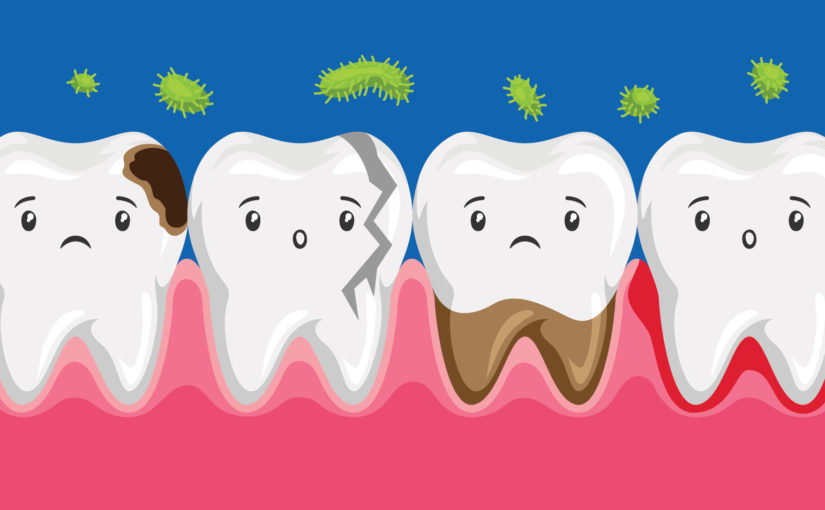
Every time your child eats, especially foods containing carbohydrates or sugars, bacteria in the mouth feed on food particles and produce acids. These acids temporarily weaken the tooth enamel, making it easier for cavities to form.
While this acid attack happens after regular meals, frequent snacking keeps the mouth in a prolonged acidic state, giving teeth less time to recover and remineralize. This is why children who snack constantly—even on foods that seem harmless—are often at higher risk.
Certain snacks also stick to teeth or remain in the mouth longer, giving bacteria even more fuel.
Snacks That Are Most Likely to Cause Cavities
Not all snacks are created equal. Some are particularly harmful to children’s teeth. Here’s what to watch for:
-
Sticky and Chewy Foods
Fruit snacks, gummies, taffy, and granola bars cling to tooth surfaces and are tough for saliva to wash away.
-
Starchy Snacks
Crackers, chips, and pretzels break down into sugars and get trapped in the grooves of teeth.
-
Sugary Drinks
Juice, sports drinks, chocolate milk, and soda bathe the teeth in sugar—even diet drinks contain acids that erode enamel.
-
Dried Fruits
Raisins, apricots, and similar dried fruits may seem healthy but act much like candy in the mouth.
-
Frequent “Grazing”
Even healthy snacks can contribute to decay if eaten too often without breaks.
Being aware of these high-risk snacks is the first step in building better habits.
Smile-Friendly Snacks Kids Will Love
Healthy snacks don’t have to be boring. There are plenty of delicious, tooth-friendly options that promote good oral health. Try incorporating:
-
Fresh Fruits and Vegetables
Crunchy apples, carrots, celery, and cucumbers stimulate chewing and increase saliva flow, helping clean the teeth naturally.
-
Cheese and Yogurt
Dairy products are rich in calcium and casein, which help strengthen enamel and neutralize acids.
-
Nuts and Seeds
Almonds, cashews, and sunflower seeds provide protein and healthy fats without feeding cavity-causing bacteria.
-
Whole Fruits Over Juices
Fresh fruits come with fiber and cause less sugar exposure than fruit juices, which are highly concentrated.
-
Lean Proteins
Turkey slices, boiled eggs, and hummus provide energy without contributing to decay.
-
Water
Encourage water as the primary beverage—it’s the best way to rinse the mouth and stay hydrated without sugar.
Simple swaps like replacing gummy snacks with sliced apples or trading crackers for cheese cubes can make a big difference.
How to Snack Smart: Tips for Parents
Choosing the right snack is important, but how your child snacks matters just as much. These strategies help keep cavity risk low:
-
Create “Snack Times” Instead of Constant Grazing
Limit snacks to one or two scheduled times each day. This gives teeth time to recover between acid attacks.
-
Follow Snacks with Water
A quick drink of water helps wash away food particles and reduce sugar exposure.
-
Offer Snacks With a Meal
Eating sugary or starchy snacks alongside a balanced meal can reduce their impact on the teeth.
-
Brush After Sticky or Sugary Snacks
If brushing isn’t possible, rinsing thoroughly with water is a good alternative.
-
Read Labels Carefully
Many “healthy” snacks—like flavored yogurt or granola bars—contain hidden sugars.
-
Avoid Night-Time Snacking
Eating right before bed without brushing increases cavity risk significantly.
Teaching children mindful eating habits can support their oral and overall health for life.
When to Visit the Dentist
Regular checkups are key to preventing cavities, detecting early signs of decay, and reinforcing good habits. At Metro City Dentistry, we recommend:
- Dental visits every six months
- Routine cleanings
- Fluoride treatments (if needed)
- Dental sealants for added protection
If your child frequently snacks or has a history of cavities, more frequent monitoring may help keep their smile healthy.
Healthy Smiles Start With Smart Snacking
You don’t have to eliminate snacks—just choose them wisely and build habits that keep your child’s smile strong and cavity-free. With the right mix of nutritious foods and smart routines, your family can enjoy snacking without fear of dental problems.
At Metro City Dentistry, we’re here to support you every step of the way.
Book your child’s next checkup today and give them the tools for a healthy, happy smile.