

A healthy smile plays a significant role in both your appearance and your overall well-being. However, teeth can become damaged over time due to decay, injury, large fillings, or general wear and tear. When a tooth becomes weak or severely damaged, a dental crown is often one of the most effective solutions to restore its strength, function, and appearance.
At Metro City Dentistry, dental crowns are a common and reliable treatment used to protect and restore teeth while helping patients regain confidence in their smiles.
What Is a Dental Crown?
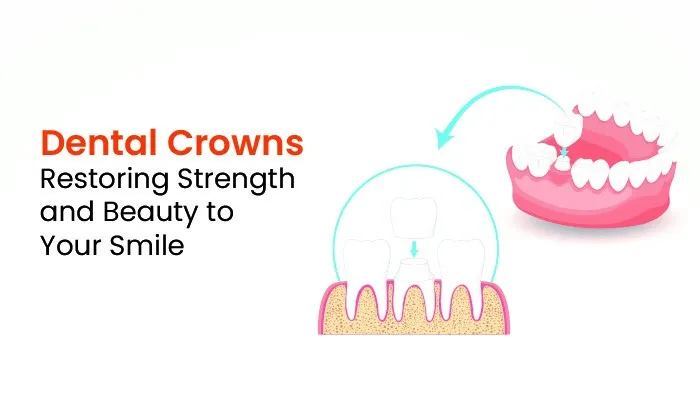
A dental crown is a tooth-shaped cap placed over a damaged or weakened tooth. Its primary purpose is to restore the tooth’s shape, size, strength, and appearance. Once the crown is placed, it fully covers the visible portion of the tooth above the gum line.
Crowns are custom-made to match the color, size, and shape of your natural teeth, ensuring that they blend seamlessly with your smile. Modern dental technology allows crowns to look extremely natural while providing excellent durability.
When Is a Dental Crown Needed?
Dentists may recommend a dental crown for several reasons. One of the most common reasons is to protect a weakened tooth, especially if it has been affected by large cavities or cracks.
Crowns are also commonly used to:
- Restore a broken or severely worn tooth
- Protect a tooth after a root canal treatment
- Cover a large filling when there is not enough natural tooth remaining
- Improve the appearance of discolored or misshapen teeth
- Support a dental bridge
- Cover a dental implant
By covering and strengthening the damaged tooth, a crown helps restore normal chewing function and prevents further damage.
Types of Dental Crowns
Dental crowns can be made from several different materials, each with its own benefits. At Metro City Dentistry, the most commonly used types include:
Porcelain or Ceramic Crowns:
These crowns are highly popular because they closely resemble natural teeth. They are an excellent choice for front teeth where aesthetics are especially important.
Porcelain-Fused-to-Metal Crowns:
These crowns combine the strength of metal with the natural appearance of porcelain. They offer both durability and a pleasing look.
Metal Crowns:
Made from alloys such as gold or other metals, these crowns are extremely strong and long-lasting. They are often used for molars that endure heavy chewing pressure.
Zirconia Crowns:
Zirconia crowns are known for their exceptional strength and natural appearance, making them a popular modern option.
Your dentist will recommend the best type of crown based on your specific dental needs and the location of the tooth.
The Dental Crown Procedure
Getting a dental crown typically requires two dental visits.
During the first visit, the dentist examines and prepares the tooth. Any decay or damage is removed, and the tooth is reshaped so the crown can fit properly. An impression of the tooth is then taken and sent to a dental laboratory where the custom crown is created.
While waiting for the permanent crown, a temporary crown is placed to protect the tooth.
During the second visit, the temporary crown is removed and the permanent crown is carefully placed and adjusted to ensure a comfortable fit. Once everything is perfect, the crown is securely bonded to the tooth.
The result is a restored tooth that looks natural and functions just like a normal tooth.
Benefits of Dental Crowns
Dental crowns provide many important benefits for patients, including:
Restored Strength:
Crowns reinforce weak or damaged teeth, allowing you to chew and bite normally again.
Improved Appearance:
They can enhance the look of teeth that are discolored, uneven, or misshapen.
Long-Lasting Protection:
With proper care, dental crowns can last 10 to 15 years or even longer.
Natural Look and Feel:
Modern crowns are designed to blend seamlessly with your natural teeth, giving you a confident smile.
Caring for Your Dental Crown
Taking care of a dental crown is similar to caring for your natural teeth. Maintaining good oral hygiene helps ensure the longevity of your crown and the health of the surrounding teeth and gums.
Some important care tips include:
- Brush your teeth twice a day
- Floss daily to remove plaque between teeth
- Avoid chewing on very hard foods or objects
- Visit your dentist for regular check-ups and cleanings
Good oral care habits can help keep your crown in excellent condition for many years.
Restore Your Smile with Metro City Dentistry
A damaged tooth does not have to affect your comfort or confidence. Dental crowns provide a reliable and effective way to restore both the strength and beauty of your smile.
At Metro City Dentistry, our experienced dental team uses advanced techniques and high-quality materials to create crowns that are durable, natural-looking, and comfortable.
If you have a weakened, damaged, or worn tooth, schedule a consultation with Metro City Dentistry today. We are here to help you achieve a healthier, stronger, and more confident smile.