

Tooth Sensitivity: Causes and Treatments. Call Today!

Do you feel a sharp, sudden twinge in your teeth when drinking something hot, cold, sweet, or acidic? Tooth sensitivity is a common dental concern that can range from mildly annoying to seriously uncomfortable. At Metro City Dentistry, we often see patients who delay treatment because they assume sensitivity is normal. In reality, it’s usually a sign that something needs attention.

Understanding the causes of tooth sensitivity—and knowing the available treatments—can help you protect your teeth and enjoy daily activities without discomfort.

What Is Tooth Sensitivity?

Tooth sensitivity occurs when the protective enamel on your teeth wears down or when gum tissue recedes, exposing the underlying dentin. Dentin contains tiny tubules that connect to the tooth’s nerve, making it more responsive to temperature changes, pressure, and certain foods.

While sensitivity may affect just one tooth or several, it should never be ignored if it persists or worsens.

Common Causes of Tooth Sensitivity

There are several reasons you may be experiencing sensitive teeth. Some of the most common include:

Worn or thinning enamel
Aggressive brushing, using a hard-bristled toothbrush, or frequent consumption of acidic foods and drinks can wear down enamel over time, leaving teeth vulnerable.

Gum recession
When gums pull away from the teeth, the tooth roots become exposed. Because roots don’t have enamel protection, they are especially sensitive to hot and cold temperatures.

Tooth decay or cavities
Cavities can expose the inner layers of the tooth, leading to sensitivity and pain when eating or drinking.

Cracked or chipped teeth
Even small cracks can allow temperature changes or bacteria to reach the nerve, causing discomfort.

Teeth grinding (bruxism)
Grinding or clenching your teeth, often during sleep, can wear down enamel and increase sensitivity.

Recent dental treatments
Procedures such as whitening, fillings, or deep cleanings can cause temporary sensitivity, which usually fades within a few days.

When Tooth Sensitivity Is a Concern

Occasional sensitivity may not be serious, but certain symptoms should prompt a dental visit. These include:

  • Sensitivity that lasts more than a few seconds
  • Pain that occurs without a clear trigger
  • Sensitivity focused in one specific tooth
  • Discomfort that interferes with eating or drinking

At Metro City Dentistry, we evaluate the cause of sensitivity rather than just treating the symptom.

Effective Treatments for Tooth Sensitivity

The right treatment depends on the underlying cause. Fortunately, there are many effective ways to reduce or eliminate tooth sensitivity.

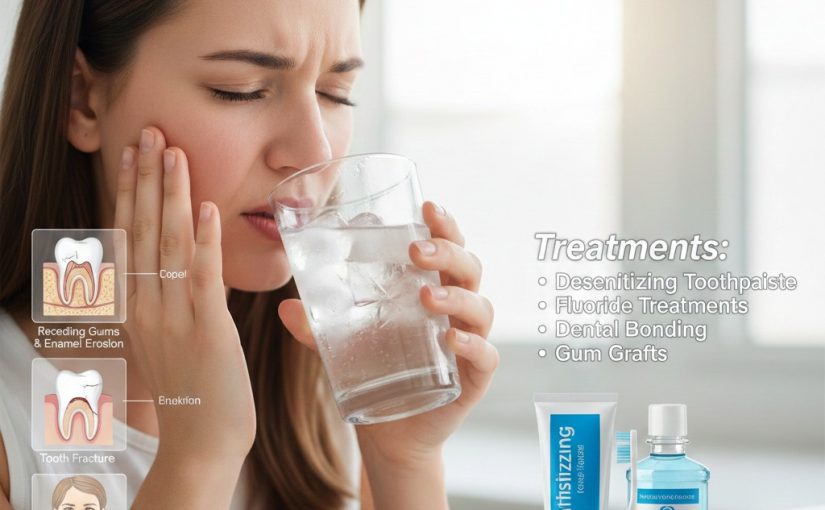
Desensitizing toothpaste
Specially formulated toothpaste helps block pain signals from the tooth’s surface to the nerve. With regular use, many patients notice improvement within a few weeks.

Fluoride treatments
Professional fluoride applications strengthen enamel and reduce sensitivity by protecting exposed dentin.

Dental bonding or sealants
If enamel loss or exposed roots are the issue, bonding or sealants can cover sensitive areas and restore protection.

Treatment for gum recession
In cases of advanced gum recession, gum grafting or targeted periodontal care may be recommended to protect exposed roots.

Nightguards for teeth grinding
If grinding is contributing to sensitivity, a custom nightguard can protect your teeth while you sleep and prevent further damage.

Restorative dental care
Cavities, cracks, or damaged fillings may require restorative treatment such as fillings, crowns, or root canal therapy to fully resolve sensitivity.

At-Home Tips to Prevent Tooth Sensitivity

You can also take steps at home to reduce sensitivity and protect your teeth:

  • Use a soft-bristled toothbrush and a gentle brushing technique
  • Avoid excessive acidic foods and beverages
  • Don’t brush immediately after consuming acidic items
  • Wear a nightguard if you grind your teeth
  • Maintain regular dental checkups and cleanings

How Metro City Dentistry Can Help

At Metro City Dentistry, we take a personalized approach to treating tooth sensitivity. Our experienced team will identify the cause, recommend the most effective treatment, and help you maintain long-term comfort and oral health.

Don’t Live With Tooth Sensitivity

Tooth sensitivity is not something you have to “just live with.” With the right care, relief is possible. If you’re experiencing discomfort when eating or drinking, schedule an appointment with Metro City Dentistry today. We’re here to help you enjoy a healthier, pain-free smile again.
Emergency Dental Care: What Counts as Urgent?

Dental emergencies rarely happen at a convenient time. Whether it’s sudden pain, an accident, or unexpected swelling, knowing when to seek emergency dental care can make a critical difference in protecting your smile. At The Metro City Dentistry, we believe that understanding what qualifies as a dental emergency helps patients act quickly, reduce complications, and get relief when they need it most.

So, what exactly counts as urgent dental care?

What Is a Dental Emergency?

A dental emergency is any oral health issue that requires immediate professional attention to stop pain, control bleeding, prevent infection, or save a tooth. Some problems may seem minor at first but can worsen quickly if left untreated. When in doubt, it’s always better to seek advice rather than wait.

Below are the most common dental emergencies and why they should be treated promptly.

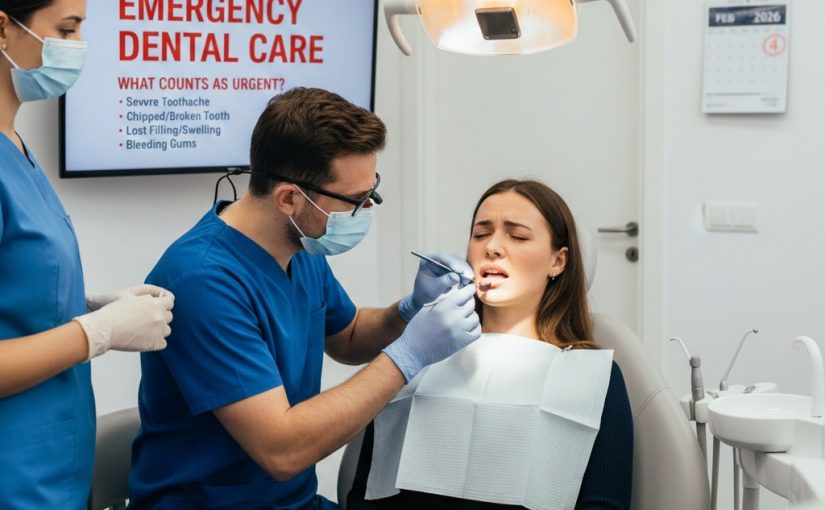
Severe or Persistent Tooth Pain
Ongoing or intense tooth pain is one of the most common reasons patients seek emergency dental care. This type of pain often signals an underlying problem such as a deep cavity, cracked tooth, nerve damage, or infection. If pain doesn’t improve with basic home care or worsens over time, it should be considered urgent.

Swelling of the Gums, Face, or Jaw
Swelling in or around the mouth is never something to ignore. Gum or facial swelling can indicate a serious infection that may spread if left untreated. Swelling accompanied by fever, difficulty opening your mouth, or pain when swallowing is especially concerning and requires immediate dental attention.

Knocked-Out or Dislodged Tooth
A knocked-out tooth is one of the most time-sensitive dental emergencies. Acting quickly can sometimes save the tooth. If this happens, handle the tooth by the crown (not the root), rinse it gently if dirty, and keep it moist—preferably in milk—until you reach your dentist. The sooner you receive care, the better the chances of successful treatment.

Broken, Cracked, or Fractured Teeth
A chipped tooth without pain may not be urgent, but a broken or cracked tooth that causes pain, bleeding, or sharp edges should be treated right away. Damage to the tooth can expose the inner layers, increasing the risk of infection and further breakage.

Dental Abscess or Infection
A dental abscess is a serious infection that forms near the root of a tooth or in the gums. Symptoms may include severe pain, swelling, sensitivity to hot or cold, a bad taste in the mouth, or a pimple-like bump on the gums. Dental infections can spread beyond the mouth if untreated, making immediate care essential.

Uncontrolled Oral Bleeding
Bleeding that does not stop after applying gentle pressure for 10 to 15 minutes is considered a dental emergency. This may occur after trauma, oral surgery, or advanced gum disease. Persistent bleeding requires prompt professional care to prevent further complications.

Lost Fillings, Crowns, or Bridges
While not always painful, losing a filling or crown exposes vulnerable tooth structure. If left untreated, it can lead to sensitivity, pain, or further damage. If discomfort occurs or the tooth feels sharp or unstable, emergency dental care may be needed.

What Is Usually Not an Emergency?

Some dental concerns are uncomfortable but not urgent, such as:

  • Mild tooth sensitivity
  • Minor chips without pain
  • Food stuck between teeth
  • Slight gum irritation

Although these issues don’t require immediate care, they should still be evaluated by your dentist to prevent them from becoming emergencies later.

What to Do During a Dental Emergency

If you experience a dental emergency:

  • Stay calm and assess the situation
  • Apply gentle pressure to control bleeding
  • Avoid chewing on the affected area
  • Do not apply aspirin directly to the gums or tooth
  • Contact The Metro City Dentistry as soon as possible for guidance

Emergency Dental Care at The Metro City Dentistry

At The Metro City Dentistry, we understand that dental emergencies can be overwhelming. Our experienced team is prepared to provide timely, compassionate care when urgent dental issues arise. We focus on relieving pain, treating the problem effectively, and restoring your oral health as quickly as possible.

Don’t Ignore the Warning Signs

When it comes to dental emergencies, delaying treatment can lead to more pain, more complex procedures, and higher costs. If you’re unsure whether your situation is urgent, it’s always better to call and ask.

If you or a loved one is experiencing dental pain, swelling, or trauma, contact The Metro City Dentistry right away. Your smile—and your health—are too important to wait.