

What Do Unhealthy Gums Look Like?

Healthy gums play a vital role in protecting your teeth and supporting your overall oral health. Because gum disease often develops slowly and painlessly, many people don’t realize there’s a problem until it becomes advanced. Knowing what unhealthy gums look like can help you recognize early warning signs and seek treatment before serious damage occurs. At Metro City Dentistry, we believe that early awareness is key to maintaining a healthy smile.

What Healthy Gums Should Look Like

Before identifying unhealthy gums, it’s helpful to know what normal, healthy gums look like. Healthy gums are typically:

  • Pink or coral in color (though natural shade varies by individual)
  • Firm and snug around the teeth
  • Not swollen or tender
  • Free from bleeding during brushing or flossing

When gums are healthy, they act as a strong barrier against bacteria and help keep teeth stable.

Signs and Appearance of Unhealthy Gums

Unhealthy gums often show visible and noticeable changes. These signs may be mild at first but can worsen over time if left untreated.

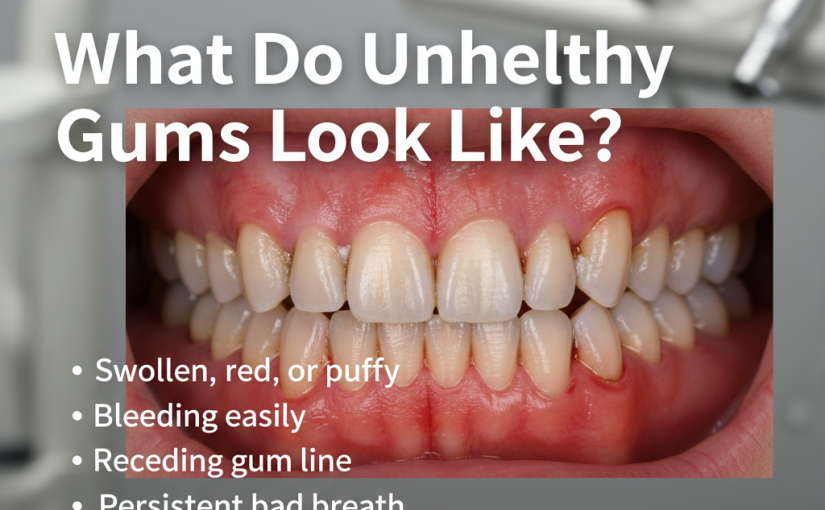
  1. Red, Swollen, or Puffy Gums

One of the earliest signs of gum disease is inflammation. Gums may appear red instead of pink and feel swollen or puffy. This typically indicates gingivitis, the earliest stage of gum disease caused by plaque buildup along the gumline.

  1. Bleeding Gums

If your gums bleed when you brush, floss, or eat, it’s a strong sign that something isn’t right. Bleeding gums are not normal and often point to inflammation or infection. Even mild, occasional bleeding should not be ignored.

  1. Gums That Are Tender or Painful

While early gum disease may be painless, unhealthy gums can become sore or sensitive over time. Pain or discomfort while brushing or chewing may indicate infection or advanced inflammation.

  1. Receding Gums

Gum recession occurs when the gum tissue pulls away from the teeth, making teeth appear longer and exposing the roots. Receding gums can result from gum disease, aggressive brushing, or teeth grinding. Exposed tooth roots are more vulnerable to decay and sensitivity.

  1. Darkened or Discolored Gums

Unhealthy gums may appear deep red, purplish, or dark brown instead of a healthy pink tone. This discoloration often signals reduced blood flow or ongoing infection.

  1. Persistent Bad Breath

Chronic bad breath or a bad taste in the mouth can be caused by bacteria trapped beneath the gumline. When gum disease is present, bacteria release toxins that contribute to unpleasant odors that brushing alone can’t fix.

  1. Pus Between the Teeth and Gums

In more advanced stages of gum disease, pus may be visible where the gums meet the teeth. This is a clear sign of infection and requires immediate dental attention.

  1. Loose or Shifting Teeth

As gum disease progresses, it can damage the bone and tissues that support your teeth. This may cause teeth to feel loose, shift position, or affect how your bite fits together.

Common Causes of Unhealthy Gums

Several factors can contribute to gum problems, including:

  • Poor oral hygiene habits
  • Plaque and tartar buildup
  • Smoking or tobacco use
  • Hormonal changes
  • Medical conditions such as diabetes
  • Certain medications that reduce saliva flow

Understanding these risk factors can help you take steps to protect your gum health.

Why Unhealthy Gums Are a Serious Concern

Gum disease doesn’t just affect your mouth—it can impact your overall health. Research has linked gum disease to conditions such as heart disease, diabetes complications, and respiratory issues. Left untreated, gum disease can lead to tooth loss and irreversible bone damage.

How Gum Disease Is Treated

Treatment depends on the severity of the condition. Early-stage gum disease may be reversed with professional cleanings and improved oral hygiene. More advanced cases may require deep cleanings, gum therapy, or other periodontal treatments.

At Metro City Dentistry, our team carefully evaluates your gum health and creates a personalized treatment plan to stop disease progression and restore oral health.

Protecting Your Gum Health

Maintaining healthy gums starts with brushing twice daily, flossing every day, and scheduling regular dental checkups. Avoiding tobacco and addressing medical conditions that affect oral health also play an important role.

Schedule a Gum Health Evaluation at Metro City Dentistry

If you notice signs of unhealthy gums, don’t wait. Early treatment can make a significant difference. At Metro City Dentistry, we’re committed to helping patients maintain strong gums and confident smiles. Schedule your appointment today and take the first step toward healthier gums and better oral health.

Natural, FREE Home Remedies for Tooth Pain Solutions

Tooth pain can strike at the most inconvenient times—late at night, on weekends, or when you’re far from a dental office. While a toothache is often a sign that professional dental care is needed, there are several natural, free home remedies that may help ease discomfort temporarily. At Metro City Dentistry, we believe it’s important for patients to know how to manage tooth pain safely at home while planning proper dental treatment.

It’s important to note that home remedies are not a cure for dental problems, but they can provide short-term relief until you see a dentist.

Common Causes of Tooth Pain

Before trying any remedy, it helps to understand what may be causing your discomfort. Tooth pain can result from:

  • Tooth decay or cavities
  • Gum inflammation or infection
  • A cracked or chipped tooth
  • Food stuck between teeth
  • Teeth grinding
  • Sinus pressure affecting upper teeth

Identifying the possible cause can help you choose the most appropriate relief method.

Natural and FREE Home Remedies for Tooth Pain

  1. Warm Saltwater Rinse

One of the simplest and most effective remedies is a saltwater rinse. Salt helps reduce inflammation, cleanse the mouth, and limit bacteria.

How to use it:
Mix half a teaspoon of salt into a cup of warm water. Swish gently for 30 seconds, then spit out. Repeat several times a day.

  1. Cold Compress

If your tooth pain is accompanied by swelling or throbbing, a cold compress can help numb the area and reduce inflammation.

How to use it:
Apply a cold pack or a bag of ice wrapped in a towel to the outside of your cheek for 15–20 minutes at a time.

  1. Proper Oral Hygiene

Sometimes tooth pain is caused by trapped food particles or plaque buildup. Gently brushing and flossing can provide relief by removing debris that’s irritating the tooth or gums.

Be careful not to brush aggressively, especially if your gums are tender.

  1. Hydrogen Peroxide Rinse (Diluted)

A diluted hydrogen peroxide rinse may help reduce bacteria and soothe gum discomfort.

How to use it:
Mix equal parts 3% hydrogen peroxide and water. Swish gently, then spit out and rinse thoroughly with plain water. Do not swallow.

This method is not recommended for children and should only be used occasionally.

  1. Elevating Your Head

Tooth pain often feels worse when lying down due to increased blood flow to the head. Keeping your head elevated can reduce pressure and throbbing pain.

Use extra pillows when resting or sleeping to keep your head raised.

  1. Clove or Clove Oil (If Available at Home)

Cloves contain a natural compound called eugenol, which has numbing properties. If you already have cloves or clove oil at home, they can be helpful.

How to use it:
Gently place a clove near the painful tooth or apply a small amount of clove oil to a cotton swab and dab the area. Avoid direct contact with gums for long periods.

What to Avoid When You Have Tooth Pain

Some home “remedies” can actually make things worse. Avoid:

  • Placing aspirin directly on the tooth or gums
  • Using sharp objects to poke at the tooth
  • Applying heat to the face if swelling is present
  • Ignoring pain that lasts more than a day or two

These actions can increase irritation or cause further damage.

When Tooth Pain Is a Dental Emergency

While natural remedies can help temporarily, certain symptoms require immediate dental care. Contact Metro City Dentistry right away if you experience:

  • Severe or worsening pain
  • Facial swelling
  • Fever
  • A broken or knocked-out tooth
  • Pain lasting more than 48 hours

Persistent tooth pain often signals an infection or structural problem that won’t resolve on its own.

Professional Care Is the Best Long-Term Solution

Home remedies can offer short-term comfort, but they don’t treat the underlying cause of tooth pain. Cavities, infections, gum disease, and cracked teeth require professional diagnosis and treatment to prevent complications.

At Metro City Dentistry, our experienced dental team is dedicated to finding the cause of your tooth pain and providing effective, lasting solutions—whether that means a filling, root canal treatment, gum care, or other restorative options.

Relief Starts with the Right Care

If you’re dealing with tooth pain, natural home remedies can help you get through the moment—but don’t stop there. Schedule an appointment with Metro City Dentistry to protect your oral health and get the relief you truly need. A healthy, pain-free smile starts with expert dental care.