

Snacking & Cavities: A Parent’s Guide to Healthy Choices

Snacking is a natural part of childhood. Kids are constantly growing, burning energy, and needing fuel throughout the day. But while snacks help keep little ones energized and focused, the wrong choices—or even the right choices eaten too often—can increase their risk of developing cavities. At Metro City Dentistry, we understand how challenging it can be for parents to balance convenience, nutrition, and dental health. That’s why we’ve created this guide to help you make smarter snack decisions that protect your child’s smile.

With a little awareness and a few simple switches, you can significantly reduce your child’s risk of tooth decay while still keeping them happy and satisfied.

Why Snacking Affects Cavity Risk

Every time your child eats, especially foods containing carbohydrates or sugars, bacteria in the mouth feed on food particles and produce acids. These acids temporarily weaken the tooth enamel, making it easier for cavities to form.

While this acid attack happens after regular meals, frequent snacking keeps the mouth in a prolonged acidic state, giving teeth less time to recover and remineralize. This is why children who snack constantly—even on foods that seem harmless—are often at higher risk.

Certain snacks also stick to teeth or remain in the mouth longer, giving bacteria even more fuel.

Snacks That Are Most Likely to Cause Cavities

Not all snacks are created equal. Some are particularly harmful to children’s teeth. Here’s what to watch for:

  1. Sticky and Chewy Foods

Fruit snacks, gummies, taffy, and granola bars cling to tooth surfaces and are tough for saliva to wash away.

  1. Starchy Snacks

Crackers, chips, and pretzels break down into sugars and get trapped in the grooves of teeth.

  1. Sugary Drinks

Juice, sports drinks, chocolate milk, and soda bathe the teeth in sugar—even diet drinks contain acids that erode enamel.

  1. Dried Fruits

Raisins, apricots, and similar dried fruits may seem healthy but act much like candy in the mouth.

  1. Frequent “Grazing”

Even healthy snacks can contribute to decay if eaten too often without breaks.

Being aware of these high-risk snacks is the first step in building better habits.

Smile-Friendly Snacks Kids Will Love

Healthy snacks don’t have to be boring. There are plenty of delicious, tooth-friendly options that promote good oral health. Try incorporating:

  1. Fresh Fruits and Vegetables

Crunchy apples, carrots, celery, and cucumbers stimulate chewing and increase saliva flow, helping clean the teeth naturally.

  1. Cheese and Yogurt

Dairy products are rich in calcium and casein, which help strengthen enamel and neutralize acids.

  1. Nuts and Seeds

Almonds, cashews, and sunflower seeds provide protein and healthy fats without feeding cavity-causing bacteria.

  1. Whole Fruits Over Juices

Fresh fruits come with fiber and cause less sugar exposure than fruit juices, which are highly concentrated.

  1. Lean Proteins

Turkey slices, boiled eggs, and hummus provide energy without contributing to decay.

  1. Water

Encourage water as the primary beverage—it’s the best way to rinse the mouth and stay hydrated without sugar.

Simple swaps like replacing gummy snacks with sliced apples or trading crackers for cheese cubes can make a big difference.

How to Snack Smart: Tips for Parents

Choosing the right snack is important, but how your child snacks matters just as much. These strategies help keep cavity risk low:

  1. Create “Snack Times” Instead of Constant Grazing

Limit snacks to one or two scheduled times each day. This gives teeth time to recover between acid attacks.

  1. Follow Snacks with Water

A quick drink of water helps wash away food particles and reduce sugar exposure.

  1. Offer Snacks With a Meal

Eating sugary or starchy snacks alongside a balanced meal can reduce their impact on the teeth.

  1. Brush After Sticky or Sugary Snacks

If brushing isn’t possible, rinsing thoroughly with water is a good alternative.

  1. Read Labels Carefully

Many “healthy” snacks—like flavored yogurt or granola bars—contain hidden sugars.

  1. Avoid Night-Time Snacking

Eating right before bed without brushing increases cavity risk significantly.

Teaching children mindful eating habits can support their oral and overall health for life.

When to Visit the Dentist

Regular checkups are key to preventing cavities, detecting early signs of decay, and reinforcing good habits. At Metro City Dentistry, we recommend:

  • Dental visits every six months
  • Routine cleanings
  • Fluoride treatments (if needed)
  • Dental sealants for added protection

If your child frequently snacks or has a history of cavities, more frequent monitoring may help keep their smile healthy.

Healthy Smiles Start With Smart Snacking

You don’t have to eliminate snacks—just choose them wisely and build habits that keep your child’s smile strong and cavity-free. With the right mix of nutritious foods and smart routines, your family can enjoy snacking without fear of dental problems.

At Metro City Dentistry, we’re here to support you every step of the way.

Book your child’s next checkup today and give them the tools for a healthy, happy smile.
Root Canals Myth: What Most People Get Wrong

When you hear the words “root canal,” what comes to mind? For many people, it’s fear, pain, or memories of outdated horror stories passed down through generations. But the truth is, modern dentistry has made root canal treatment a safe, comfortable, and highly effective procedure—often no more uncomfortable than getting a routine filling. At Metro City Dentistry, we aim to help patients understand their oral health clearly, and that starts with clearing up some of the biggest myths surrounding root canals.

Below, we debunk the most common misconceptions so you can feel confident and informed when making decisions about your dental care.

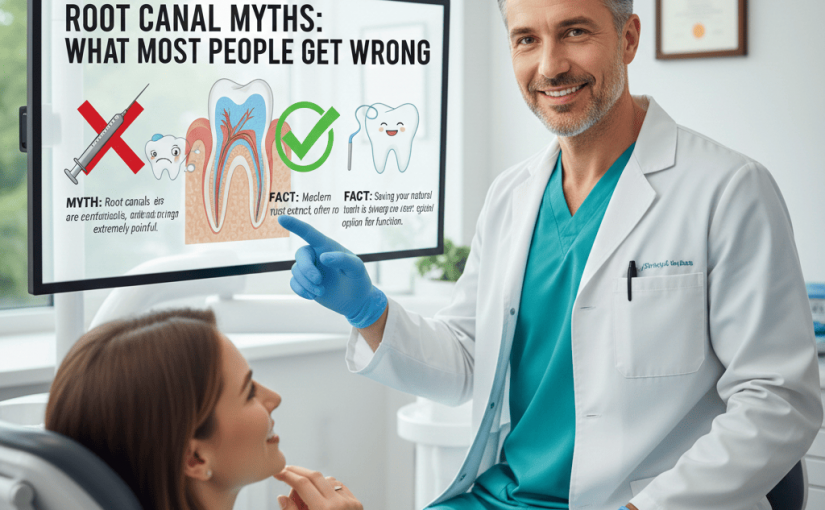
Myth #1: Root Canals Are Extremely Painful

This is probably the most widespread myth—and the farthest from the truth.

Thanks to today’s advanced technology, powerful anesthetics, and modern techniques, root canals are typically comfortable dental procedures. In fact, most patients report that the treatment feels similar to getting a large filling. The real pain comes from the infected tooth itself—not the root canal.

A root canal actually relieves the severe toothache caused by deep decay, infection, or trauma. Once the inflamed nerve tissue is removed, the pressure and throbbing disappear.

Myth #2: Tooth Extraction Is Better Than a Root Canal

Many people believe that removing a damaged tooth is easier and safer than saving it—another misconception.

Whenever possible, saving your natural tooth is the best option for your oral health. Natural teeth maintain jawbone structure, support proper chewing function, and keep the surrounding teeth in place. Extraction, on the other hand, can lead to bone loss, shifting teeth, and costly future treatments such as implants or bridges.

A root canal preserves your natural tooth, allowing it to function normally for many years, often for a lifetime with proper care.

Myth #3: Root Canals Cause Illness

This old myth is based on century-old research that has since been completely debunked.

There is no scientific evidence linking root canal treatment to systemic illness. Modern dentistry follows strict sterilization and cleaning procedures to ensure the tooth is thoroughly disinfected. Root canals are safe, effective, and recommended by dental associations worldwide, including the Canadian Dental Association and the American Dental Association.

Myth #4: Root Canals Require Many Long Appointments

While this may have been true decades ago, today’s root canal therapy is much more efficient. Most treatments can be completed in one or two visits, depending on the severity of the infection and the shape of the tooth’s roots.

Advanced digital imaging, improved tools, and efficient rotary instruments allow dentists to complete the procedure quickly and comfortably.

Myth #5: Only Severely Damaged Teeth Need Root Canals

While deep decay and infection are common reasons, they aren’t the only ones. A tooth may require a root canal if:

  • There is lingering sensitivity to hot or cold
  • Pain occurs when chewing or biting
  • The tooth has cracked or fractured
  • There is swelling or a small pimple-like bump on the gums
  • The tooth has darkened due to internal damage

Even teeth without pain can sometimes require treatment. That’s why regular dental exams at Metro City Dentistry are crucial—they help us catch problems early before they turn into emergencies.

Myth #6: Root Canals Don’t Last Long

When done properly and followed by a protective crown, a root-canal-treated tooth can last many years—often as long as your other natural teeth. Root canals have a high success rate, especially when patients maintain good oral hygiene and keep up with regular checkups.

What to Expect During a Root Canal at Metro City Dentistry

We understand that even with facts, patients may still feel anxious. That’s why we focus on gentle, compassionate care and clear communication.

Here’s what typically happens:

  1. Diagnosis – Digital X-rays help identify infection or damage.
  2. Local Anesthesia – The tooth and surrounding area are completely numbed.
  3. Cleaning the Tooth – The infected pulp is removed, and the canal is disinfected.
  4. Filling the Canal – A special material seals the space to prevent future infection.
  5. Restoration – A crown or filling restores strength, function, and appearance.

From start to finish, the process is designed to relieve discomfort—not cause it.

The Bottom Line: Root Canals Are Nothing to Fear

Root canal treatment has come a long way from what people imagine. It’s a safe, effective way to save your natural teeth and eliminate pain caused by infection. At Metro City Dentistry, our team is committed to making the experience smooth, comfortable, and stress-free.

If you are experiencing tooth pain or think you may need a root canal, don’t wait—early treatment can prevent complications and preserve your smile.

Contact Metro City Dentistry today to schedule an appointment. Your comfort, health, and peace of mind are our priority.