

8 Dental Questions Canadians Ask Before Booking an Appointment

For many Canadians, going to the dentist can come with a long list of questions.

“Do I really need a checkup if nothing hurts?”
“Why is my tooth sensitive?”
“Will my dental insurance cover this?”
“What happens if I need treatment but can’t afford the full cost?”

These are practical questions—and asking them can make dental care easier to understand. Whether you’re visiting a dentist regularly or returning after several years, knowing what to expect can help you make informed decisions about your oral health.

Here are eight questions Canadians commonly have about dental care.

1. “If My Teeth Don’t Hurt, Do I Still Need to See a Dentist?”

Yes, regular dental visits can still be important even when your teeth feel fine.

Not every dental problem causes noticeable symptoms right away. A dentist can examine your teeth, gums, and mouth for concerns that may not yet be causing pain.

Preventive appointments can also include professional cleaning and an assessment of your overall oral health.

The takeaway: Don’t use the absence of pain as the only measure of a healthy smile.

2. “Why Are My Teeth Sensitive to Cold Drinks?”

Tooth sensitivity can happen for several reasons.

You might notice discomfort when drinking something cold, eating hot foods, consuming sweets, or even brushing your teeth. Possible causes can include exposed tooth surfaces, worn enamel, gum recession, cavities, or other dental concerns.

Occasional sensitivity may not indicate a serious problem, but persistent or worsening sensitivity deserves professional attention.

Instead of simply avoiding cold foods and drinks, ask your dentist what may be causing the sensitivity.

3. “Is Bleeding When I Brush Actually Normal?”

Many people assume that a little blood around their gums is nothing to worry about.

However, recurring gum bleeding shouldn’t simply be ignored. It can be associated with plaque buildup and gum inflammation.

If your gums regularly bleed when brushing or flossing, mention it during your next dental appointment. Your dentist can evaluate your gums and recommend appropriate care.

4. “Do I Really Need X-Rays?”

Not necessarily at every appointment.

Dental X-rays are used when they can provide information that may not be visible during a regular clinical examination. Your dentist determines when imaging is appropriate based on factors such as your dental history, symptoms, age, and oral health.

If you’re unsure why an X-ray has been recommended, ask your dentist to explain what they are looking for.

Understanding your treatment is part of being an informed dental patient.

5. “Can I Go to the Dentist If I Have CDCP Coverage?”

Yes, eligible Canadians can receive covered dental services through participating oral health providers.

The Canadian Dental Care Plan (CDCP) can help cover a wide range of services, including examinations, X-rays, cleanings, fluoride, fillings, certain root canal treatments, extractions, and other eligible services. Coverage depends on the plan’s rules and individual circumstances.

It’s important to remember that CDCP doesn’t necessarily mean every dental expense is completely covered. Co-payments, fees above CDCP-established amounts, and services outside the plan may result in additional costs. The Government of Canada recommends discussing potential costs with your dental provider before treatment.

6. “Why Does My Dentist Recommend a Filling If My Tooth Doesn’t Hurt?”

A cavity doesn’t always cause pain in its early stages.

Your dentist may identify decay during an examination or on an X-ray before you experience noticeable symptoms. Treating a problem earlier can help prevent it from becoming more extensive.

If you’re unsure why a filling has been recommended, ask your dentist to show you the area and explain the treatment.

7. “What If I’m Nervous About Going to the Dentist?”

Dental anxiety is a common concern, and you don’t have to keep it to yourself.

Tell your dental team that you’re nervous before your appointment. Ask questions about what will happen, how long the procedure may take, and what you can expect afterward.

Knowing what to expect can make an unfamiliar procedure feel much more manageable.

And remember: you are allowed to ask questions before agreeing to treatment.

8. “How Much Will My Dental Treatment Cost?”

This is one of the most important questions to ask before treatment.

If you have private insurance or CDCP coverage, ask your dental office to explain what is expected to be covered and whether you may have an out-of-pocket amount.

For CDCP patients, the Government of Canada advises confirming that your coverage is active, checking whether the provider accepts CDCP clients, and asking about costs that may not be covered before receiving care.

For treatments requiring CDCP preauthorization, the plan can determine whether the proposed service meets its coverage requirements before treatment proceeds.

Your Dental Questions Matter

You don’t need to be an expert in dentistry to take an active role in your oral health.

Whether you’re wondering about sensitivity, bleeding gums, X-rays, cavities, dental anxiety, insurance, or CDCP coverage, asking questions is a good place to start.

At Metro City Dentistry, patients across the GTA can discuss their concerns, understand their treatment options, and receive dental care based on their individual needs.

Ready to Book Your Next Dental Visit?

Don’t wait for a dental problem to become an emergency. Contact Metro City Dentistry and schedule your next appointment.

Metro City Dentistry
Serving the GTA across 5 convenient locations
MetroCityDentistry.com

CDCP coverage and eligibility can change. Patients should confirm their current coverage and potential out-of-pocket costs with their dental provider and the Government of Canada.

:::
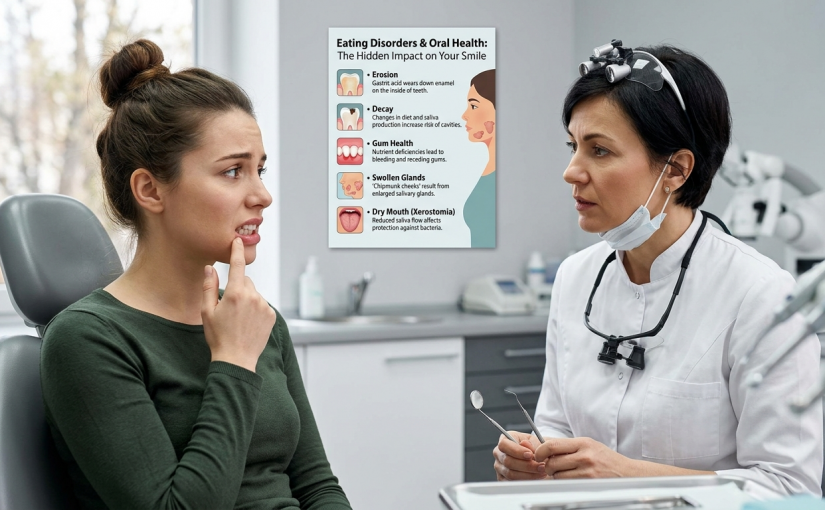
Eating Disorders Versus Oral Health: Understanding the Hidden Impact on Your Smile

When we think about eating disorders, we often focus on their effects on weight, nutrition, and mental health. However, one area that is frequently overlooked is oral health. Conditions such as anorexia nervosa, bulimia nervosa, and binge eating disorder can have serious and lasting consequences on your teeth and gums. At Metro City Dentistry, we believe it’s important to raise awareness about how these disorders impact oral health—and what you can do to protect your smile.

How Eating Disorders Affect Oral Health

Eating disorders disrupt normal eating patterns, which directly affects the mouth. Frequent exposure to stomach acids, poor nutrition, and inconsistent oral care can weaken teeth and damage gums over time.

Let’s look at how different eating disorders influence oral health:

Bulimia Nervosa and Acid Erosion

Bulimia often involves repeated episodes of binge eating followed by self-induced vomiting. This exposes teeth to strong stomach acids, which can erode tooth enamel—the protective outer layer of your teeth.

Common oral signs of bulimia include:

  • Tooth sensitivity to hot and cold foods
  • Yellowing or thinning of teeth
  • Increased risk of cavities
  • Smooth, shiny enamel surfaces
  • Irritated gums and throat

Over time, enamel erosion can lead to permanent damage, making early dental intervention essential.

Anorexia Nervosa and Nutritional Deficiencies

Anorexia is characterized by extreme food restriction, leading to significant nutritional deficiencies. Your teeth and gums rely on essential nutrients like calcium, vitamin D, and phosphorus to stay strong.

Oral health effects of anorexia include:

  • Weak or brittle teeth
  • Increased risk of gum disease
  • Dry mouth (xerostomia)
  • Delayed healing of oral tissues
  • Higher susceptibility to infections

A lack of proper nutrition can make it harder for your body to maintain healthy oral tissues, increasing the risk of long-term complications.

Binge Eating Disorder and Dental Problems

Binge eating disorder involves consuming large amounts of food, often high in sugar and carbohydrates. Frequent snacking and sugary intake can create an ideal environment for bacteria to thrive.

Possible oral health issues include:

  • Tooth decay and cavities
  • Plaque buildup
  • Gum inflammation
  • Bad breath (halitosis)

Without proper oral hygiene, these issues can quickly worsen and lead to more serious dental conditions.

Warning Signs You Shouldn’t Ignore

Recognizing early signs of oral health issues related to eating disorders can help prevent severe damage. Some key warning signs include:

  • Persistent tooth sensitivity
  • Frequent cavities despite good oral hygiene
  • Dry mouth or reduced saliva
  • Swollen or bleeding gums
  • Changes in tooth shape or color
  • Chronic bad breath

If you notice any of these symptoms, it’s important to seek professional dental care promptly.

Protecting Your Oral Health

If you or someone you know is struggling with an eating disorder, taking steps to protect oral health is crucial. While professional treatment for the disorder is essential, there are also dental care practices that can help minimize damage.

Helpful tips include:

  • Avoid brushing immediately after vomiting, as this can spread acid and worsen enamel erosion
  • Rinse your mouth with water or a fluoride mouthwash after vomiting
  • Stay hydrated to combat dry mouth
  • Maintain a consistent oral hygiene routine
  • Visit your dentist regularly for check-ups and cleanings

At Metro City Dentistry, we provide gentle, non-judgmental care and can recommend treatments to strengthen and protect your teeth.

The Importance of a Holistic Approach

Eating disorders are complex conditions that require both medical and psychological support. Dental care is an important part of the overall recovery process. Dentists can often identify early signs of these disorders and guide patients toward appropriate care.

We work closely with patients to create a supportive environment where they feel comfortable discussing their concerns. Our goal is not just to treat dental issues but to contribute to your overall well-being.

When to Seek Help

If you’re experiencing symptoms of an eating disorder or noticing changes in your oral health, don’t wait to seek help. Early intervention can prevent long-term damage and improve both your physical and emotional health.

At Metro City Dentistry, we’re here to support you every step of the way—with compassionate care, expert guidance, and personalized treatment options.

Final Thoughts

The connection between eating disorders and oral health is significant but often overlooked. From enamel erosion to gum disease, the effects can be serious—but they are also preventable and manageable with the right care.

Your smile is an important part of your overall health. If you have concerns about your oral health or need professional support, schedule a consultation with Metro City Dentistry today. Together, we can help you protect your smile and your well-being.

Natural, FREE Home Remedies for Tooth Pain Solutions

Tooth pain can strike at the most inconvenient times—late at night, on weekends, or when you’re far from a dental office. While a toothache is often a sign that professional dental care is needed, there are several natural, free home remedies that may help ease discomfort temporarily. At Metro City Dentistry, we believe it’s important for patients to know how to manage tooth pain safely at home while planning proper dental treatment.

It’s important to note that home remedies are not a cure for dental problems, but they can provide short-term relief until you see a dentist.

Common Causes of Tooth Pain

Before trying any remedy, it helps to understand what may be causing your discomfort. Tooth pain can result from:

  • Tooth decay or cavities
  • Gum inflammation or infection
  • A cracked or chipped tooth
  • Food stuck between teeth
  • Teeth grinding
  • Sinus pressure affecting upper teeth

Identifying the possible cause can help you choose the most appropriate relief method.

Natural and FREE Home Remedies for Tooth Pain

  1. Warm Saltwater Rinse

One of the simplest and most effective remedies is a saltwater rinse. Salt helps reduce inflammation, cleanse the mouth, and limit bacteria.

How to use it:
Mix half a teaspoon of salt into a cup of warm water. Swish gently for 30 seconds, then spit out. Repeat several times a day.

  1. Cold Compress

If your tooth pain is accompanied by swelling or throbbing, a cold compress can help numb the area and reduce inflammation.

How to use it:
Apply a cold pack or a bag of ice wrapped in a towel to the outside of your cheek for 15–20 minutes at a time.

  1. Proper Oral Hygiene

Sometimes tooth pain is caused by trapped food particles or plaque buildup. Gently brushing and flossing can provide relief by removing debris that’s irritating the tooth or gums.

Be careful not to brush aggressively, especially if your gums are tender.

  1. Hydrogen Peroxide Rinse (Diluted)

A diluted hydrogen peroxide rinse may help reduce bacteria and soothe gum discomfort.

How to use it:
Mix equal parts 3% hydrogen peroxide and water. Swish gently, then spit out and rinse thoroughly with plain water. Do not swallow.

This method is not recommended for children and should only be used occasionally.

  1. Elevating Your Head

Tooth pain often feels worse when lying down due to increased blood flow to the head. Keeping your head elevated can reduce pressure and throbbing pain.

Use extra pillows when resting or sleeping to keep your head raised.

  1. Clove or Clove Oil (If Available at Home)

Cloves contain a natural compound called eugenol, which has numbing properties. If you already have cloves or clove oil at home, they can be helpful.

How to use it:
Gently place a clove near the painful tooth or apply a small amount of clove oil to a cotton swab and dab the area. Avoid direct contact with gums for long periods.

What to Avoid When You Have Tooth Pain

Some home “remedies” can actually make things worse. Avoid:

  • Placing aspirin directly on the tooth or gums
  • Using sharp objects to poke at the tooth
  • Applying heat to the face if swelling is present
  • Ignoring pain that lasts more than a day or two

These actions can increase irritation or cause further damage.

When Tooth Pain Is a Dental Emergency

While natural remedies can help temporarily, certain symptoms require immediate dental care. Contact Metro City Dentistry right away if you experience:

  • Severe or worsening pain
  • Facial swelling
  • Fever
  • A broken or knocked-out tooth
  • Pain lasting more than 48 hours

Persistent tooth pain often signals an infection or structural problem that won’t resolve on its own.

Professional Care Is the Best Long-Term Solution

Home remedies can offer short-term comfort, but they don’t treat the underlying cause of tooth pain. Cavities, infections, gum disease, and cracked teeth require professional diagnosis and treatment to prevent complications.

At Metro City Dentistry, our experienced dental team is dedicated to finding the cause of your tooth pain and providing effective, lasting solutions—whether that means a filling, root canal treatment, gum care, or other restorative options.

Relief Starts with the Right Care

If you’re dealing with tooth pain, natural home remedies can help you get through the moment—but don’t stop there. Schedule an appointment with Metro City Dentistry to protect your oral health and get the relief you truly need. A healthy, pain-free smile starts with expert dental care.