
8 Dental Questions Canadians Ask Before Booking an Appointment

For many Canadians, going to the dentist can come with a long list of questions.

“Do I really need a checkup if nothing hurts?”
“Why is my tooth sensitive?”
“Will my dental insurance cover this?”
“What happens if I need treatment but can’t afford the full cost?”

These are practical questions—and asking them can make dental care easier to understand. Whether you’re visiting a dentist regularly or returning after several years, knowing what to expect can help you make informed decisions about your oral health.

Here are eight questions Canadians commonly have about dental care.

1. “If My Teeth Don’t Hurt, Do I Still Need to See a Dentist?”

Yes, regular dental visits can still be important even when your teeth feel fine.

Not every dental problem causes noticeable symptoms right away. A dentist can examine your teeth, gums, and mouth for concerns that may not yet be causing pain.

Preventive appointments can also include professional cleaning and an assessment of your overall oral health.

The takeaway: Don’t use the absence of pain as the only measure of a healthy smile.

2. “Why Are My Teeth Sensitive to Cold Drinks?”

Tooth sensitivity can happen for several reasons.

You might notice discomfort when drinking something cold, eating hot foods, consuming sweets, or even brushing your teeth. Possible causes can include exposed tooth surfaces, worn enamel, gum recession, cavities, or other dental concerns.

Occasional sensitivity may not indicate a serious problem, but persistent or worsening sensitivity deserves professional attention.

Instead of simply avoiding cold foods and drinks, ask your dentist what may be causing the sensitivity.

3. “Is Bleeding When I Brush Actually Normal?”

Many people assume that a little blood around their gums is nothing to worry about.

However, recurring gum bleeding shouldn’t simply be ignored. It can be associated with plaque buildup and gum inflammation.

If your gums regularly bleed when brushing or flossing, mention it during your next dental appointment. Your dentist can evaluate your gums and recommend appropriate care.

4. “Do I Really Need X-Rays?”

Not necessarily at every appointment.

Dental X-rays are used when they can provide information that may not be visible during a regular clinical examination. Your dentist determines when imaging is appropriate based on factors such as your dental history, symptoms, age, and oral health.

If you’re unsure why an X-ray has been recommended, ask your dentist to explain what they are looking for.

Understanding your treatment is part of being an informed dental patient.

5. “Can I Go to the Dentist If I Have CDCP Coverage?”

Yes, eligible Canadians can receive covered dental services through participating oral health providers.

The Canadian Dental Care Plan (CDCP) can help cover a wide range of services, including examinations, X-rays, cleanings, fluoride, fillings, certain root canal treatments, extractions, and other eligible services. Coverage depends on the plan’s rules and individual circumstances.

It’s important to remember that CDCP doesn’t necessarily mean every dental expense is completely covered. Co-payments, fees above CDCP-established amounts, and services outside the plan may result in additional costs. The Government of Canada recommends discussing potential costs with your dental provider before treatment.

6. “Why Does My Dentist Recommend a Filling If My Tooth Doesn’t Hurt?”

A cavity doesn’t always cause pain in its early stages.

Your dentist may identify decay during an examination or on an X-ray before you experience noticeable symptoms. Treating a problem earlier can help prevent it from becoming more extensive.

If you’re unsure why a filling has been recommended, ask your dentist to show you the area and explain the treatment.

7. “What If I’m Nervous About Going to the Dentist?”

Dental anxiety is a common concern, and you don’t have to keep it to yourself.

Tell your dental team that you’re nervous before your appointment. Ask questions about what will happen, how long the procedure may take, and what you can expect afterward.

Knowing what to expect can make an unfamiliar procedure feel much more manageable.

And remember: you are allowed to ask questions before agreeing to treatment.

8. “How Much Will My Dental Treatment Cost?”

This is one of the most important questions to ask before treatment.

If you have private insurance or CDCP coverage, ask your dental office to explain what is expected to be covered and whether you may have an out-of-pocket amount.

For CDCP patients, the Government of Canada advises confirming that your coverage is active, checking whether the provider accepts CDCP clients, and asking about costs that may not be covered before receiving care.

For treatments requiring CDCP preauthorization, the plan can determine whether the proposed service meets its coverage requirements before treatment proceeds.

Your Dental Questions Matter

You don’t need to be an expert in dentistry to take an active role in your oral health.

Whether you’re wondering about sensitivity, bleeding gums, X-rays, cavities, dental anxiety, insurance, or CDCP coverage, asking questions is a good place to start.

At Metro City Dentistry, patients across the GTA can discuss their concerns, understand their treatment options, and receive dental care based on their individual needs.

Ready to Book Your Next Dental Visit?

Don’t wait for a dental problem to become an emergency. Contact Metro City Dentistry and schedule your next appointment.

Metro City Dentistry
Serving the GTA across 5 convenient locations
MetroCityDentistry.com

CDCP coverage and eligibility can change. Patients should confirm their current coverage and potential out-of-pocket costs with their dental provider and the Government of Canada.

:::

7 Questions Canadians Actually Ask About Going to the Dentist

Going to the dentist often comes with questions—especially when you haven’t had an appointment in a while. How often should I really get a checkup? Do I need X-rays every time? Why do my gums bleed? Is dental treatment covered under the Canadian Dental Care Plan?

These are genuine questions many Canadians have about dental care. The Canadian Dental Association also maintains a public FAQ covering common concerns such as dental visits, X-rays, cavities, finding a dentist, and treatment decisions.

If you’ve ever wondered about these questions yourself, here’s what you should know.

1. “Do I Really Need to Visit the Dentist Every Six Months?”

Not necessarily—but regular dental examinations are important.

The right frequency depends on your oral health, history of cavities or gum disease, tartar buildup, hygiene habits, and other individual factors. For many people, an examination around every six months is appropriate, while some may need visits more or less frequently.

The important point is not to wait until a tooth starts hurting before booking an appointment. Regular visits can help identify developing problems before they become more complicated.

2. “Why Do My Gums Bleed When I Brush or Floss?”

Bleeding gums shouldn’t simply be considered normal.

It can be associated with plaque buildup and gum inflammation, particularly when oral hygiene has been inconsistent. Persistent bleeding is a good reason to talk with a dental professional rather than avoiding brushing or flossing.

Your dentist can assess your gums and recommend appropriate home care or treatment if necessary.

3. “Do I Need Dental X-Rays at Every Appointment?”

No. X-rays aren’t automatically required at every visit.

Your dentist determines when X-rays are appropriate based on your oral health, dental history, symptoms, and what needs to be evaluated. The Canadian Dental Association notes that a person with stable oral health may not need X-rays at every appointment.

If you’re unsure why an X-ray has been recommended, simply ask. Understanding the purpose of your dental examination is an important part of your care.

4. “Can I Wait Until My Tooth Hurts?”

This is one of the most common mistakes people make.

Some dental problems can develop without noticeable pain. A cavity, gum problem, worn restoration, or other concern may not become uncomfortable until it has progressed.

That’s why preventive dental care matters. Regular examinations and professional cleanings can help identify potential problems earlier.

5. “Does the Canadian Dental Care Plan Cover Everything?”

No. CDCP coverage doesn’t necessarily mean every dental expense is fully covered.

The Canadian Dental Care Plan can cover a range of eligible preventive, diagnostic, and restorative services, including examinations, X-rays, cleanings, fluoride applications, sealants, and certain fillings. However, coverage depends on the plan’s rules, eligibility, established fees, frequency limits, and individual circumstances.

Some patients may also have co-payments or additional charges. The Government of Canada recommends asking your dental provider about costs that may not be covered before receiving treatment.

If you have CDCP coverage, it’s worth confirming that your dental provider accepts CDCP patients and asking what your expected out-of-pocket costs will be.

6. “What If I’m Nervous About Dental Treatment?”

You’re not alone.

It’s completely reasonable to have questions about a procedure, especially if you’ve never had that treatment before.

Ask your dentist:

  • What exactly does the treatment involve?
  • How long will it take?
  • What should I expect afterward?
  • Are there alternative treatment options?
  • What will the treatment cost?
  • Will additional appointments be required?

The Canadian Dental Association specifically encourages patients to ask questions when a treatment has been recommended.

A good dental appointment should leave you understanding what is being recommended and why.

7. “What Can I Do Between Dental Visits?”

Your daily routine plays a major role in maintaining your smile.

The Canadian Dental Association recommends brushing twice daily with fluoride toothpaste and cleaning between your teeth every day. Limiting frequent sugary foods and drinks can also help reduce the risk of dental problems.

Think of your dental appointment as one part of your oral-health routine—not a replacement for your everyday habits.

Your Questions Are Worth Asking

Whether you’re new to a dental office, returning after a long break, or considering treatment, don’t hesitate to ask questions. Understanding your oral health can make dental care feel much more straightforward.

At Metro City Dentistry, patients across the GTA can receive dental care while discussing their individual needs, concerns, and treatment options with their dental team.

Have a dental question you’ve been putting off? It’s a good time to ask.

Ready for Your Next Dental Visit?

Book an appointment with Metro City Dentistry and take the next step toward maintaining a healthy, confident smile.

Metro City Dentistry
Serving patients across 5 convenient GTA locations
MetroCityDentistry.com

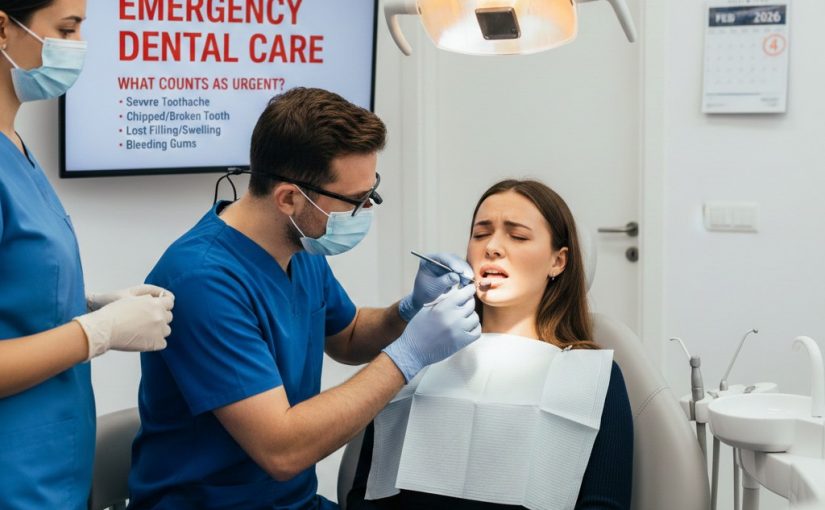
Emergency Dental Care: What Counts as Urgent?

Dental emergencies rarely happen at a convenient time. Whether it’s sudden pain, an accident, or unexpected swelling, knowing when to seek emergency dental care can make a critical difference in protecting your smile. At The Metro City Dentistry, we believe that understanding what qualifies as a dental emergency helps patients act quickly, reduce complications, and get relief when they need it most.

So, what exactly counts as urgent dental care?

What Is a Dental Emergency?

A dental emergency is any oral health issue that requires immediate professional attention to stop pain, control bleeding, prevent infection, or save a tooth. Some problems may seem minor at first but can worsen quickly if left untreated. When in doubt, it’s always better to seek advice rather than wait.

Below are the most common dental emergencies and why they should be treated promptly.

Severe or Persistent Tooth Pain
Ongoing or intense tooth pain is one of the most common reasons patients seek emergency dental care. This type of pain often signals an underlying problem such as a deep cavity, cracked tooth, nerve damage, or infection. If pain doesn’t improve with basic home care or worsens over time, it should be considered urgent.

Swelling of the Gums, Face, or Jaw
Swelling in or around the mouth is never something to ignore. Gum or facial swelling can indicate a serious infection that may spread if left untreated. Swelling accompanied by fever, difficulty opening your mouth, or pain when swallowing is especially concerning and requires immediate dental attention.

Knocked-Out or Dislodged Tooth
A knocked-out tooth is one of the most time-sensitive dental emergencies. Acting quickly can sometimes save the tooth. If this happens, handle the tooth by the crown (not the root), rinse it gently if dirty, and keep it moist—preferably in milk—until you reach your dentist. The sooner you receive care, the better the chances of successful treatment.

Broken, Cracked, or Fractured Teeth
A chipped tooth without pain may not be urgent, but a broken or cracked tooth that causes pain, bleeding, or sharp edges should be treated right away. Damage to the tooth can expose the inner layers, increasing the risk of infection and further breakage.

Dental Abscess or Infection
A dental abscess is a serious infection that forms near the root of a tooth or in the gums. Symptoms may include severe pain, swelling, sensitivity to hot or cold, a bad taste in the mouth, or a pimple-like bump on the gums. Dental infections can spread beyond the mouth if untreated, making immediate care essential.

Uncontrolled Oral Bleeding
Bleeding that does not stop after applying gentle pressure for 10 to 15 minutes is considered a dental emergency. This may occur after trauma, oral surgery, or advanced gum disease. Persistent bleeding requires prompt professional care to prevent further complications.

Lost Fillings, Crowns, or Bridges
While not always painful, losing a filling or crown exposes vulnerable tooth structure. If left untreated, it can lead to sensitivity, pain, or further damage. If discomfort occurs or the tooth feels sharp or unstable, emergency dental care may be needed.

What Is Usually Not an Emergency?

Some dental concerns are uncomfortable but not urgent, such as:

  • Mild tooth sensitivity
  • Minor chips without pain
  • Food stuck between teeth
  • Slight gum irritation

Although these issues don’t require immediate care, they should still be evaluated by your dentist to prevent them from becoming emergencies later.

What to Do During a Dental Emergency

If you experience a dental emergency:

  • Stay calm and assess the situation
  • Apply gentle pressure to control bleeding
  • Avoid chewing on the affected area
  • Do not apply aspirin directly to the gums or tooth
  • Contact The Metro City Dentistry as soon as possible for guidance

Emergency Dental Care at The Metro City Dentistry

At The Metro City Dentistry, we understand that dental emergencies can be overwhelming. Our experienced team is prepared to provide timely, compassionate care when urgent dental issues arise. We focus on relieving pain, treating the problem effectively, and restoring your oral health as quickly as possible.

Don’t Ignore the Warning Signs

When it comes to dental emergencies, delaying treatment can lead to more pain, more complex procedures, and higher costs. If you’re unsure whether your situation is urgent, it’s always better to call and ask.

If you or a loved one is experiencing dental pain, swelling, or trauma, contact The Metro City Dentistry right away. Your smile—and your health—are too important to wait.